About Shantung Silk Ties
Introduction
Shantung Silk: The Textured Silk for Connoisseurs
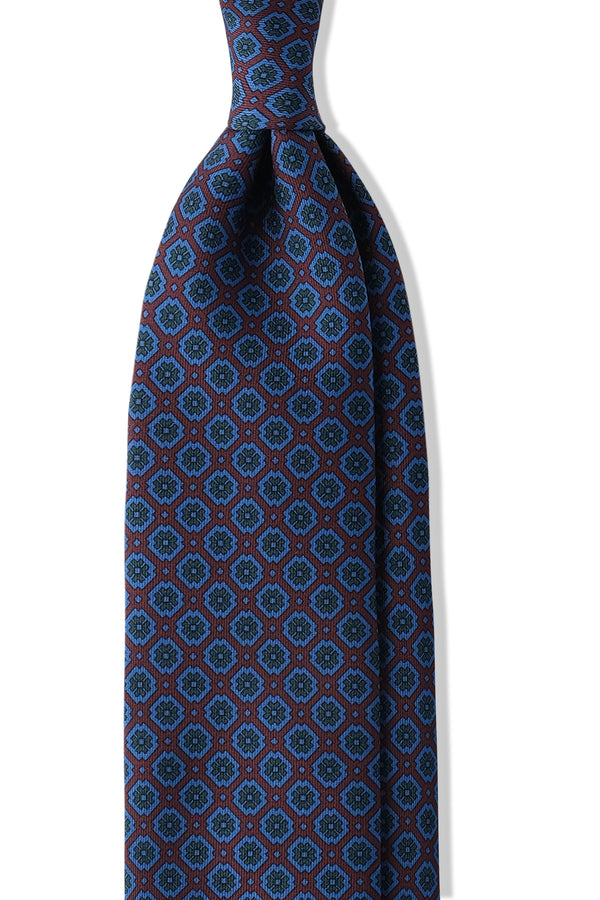
Shantung silk is one of the most distinctive fabrics in classic menswear, prized for its crisp handfeel and characteristic slubbed texture. Often chosen by tie connoisseurs, shantung offers a refined alternative to smooth silk twill, adding depth and understated personality without appearing loud or overly formal.

What is Shantung Silk?
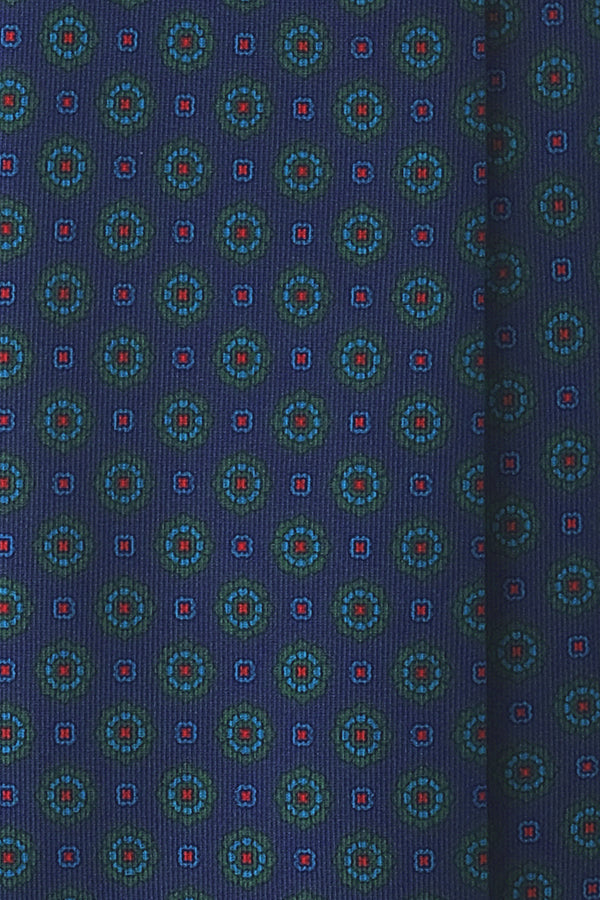
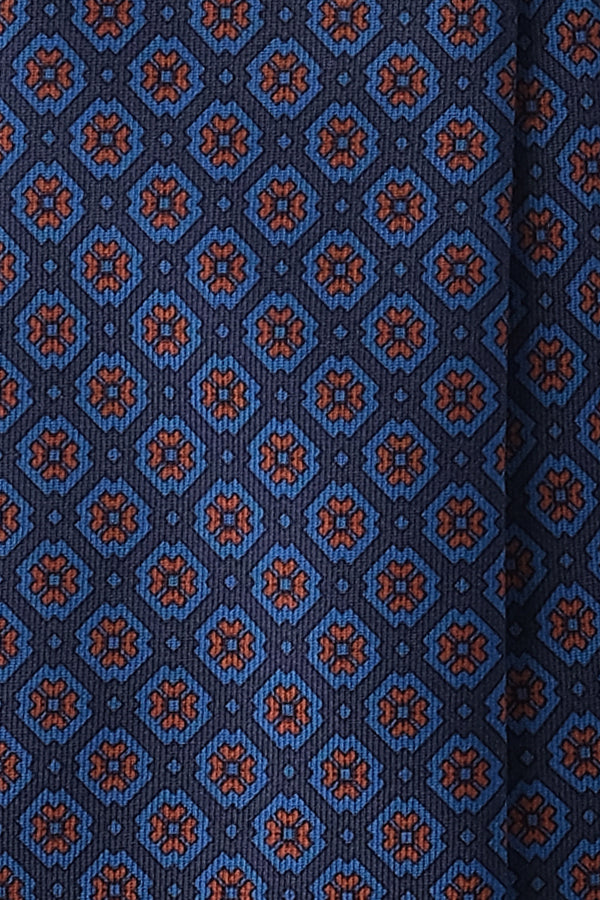
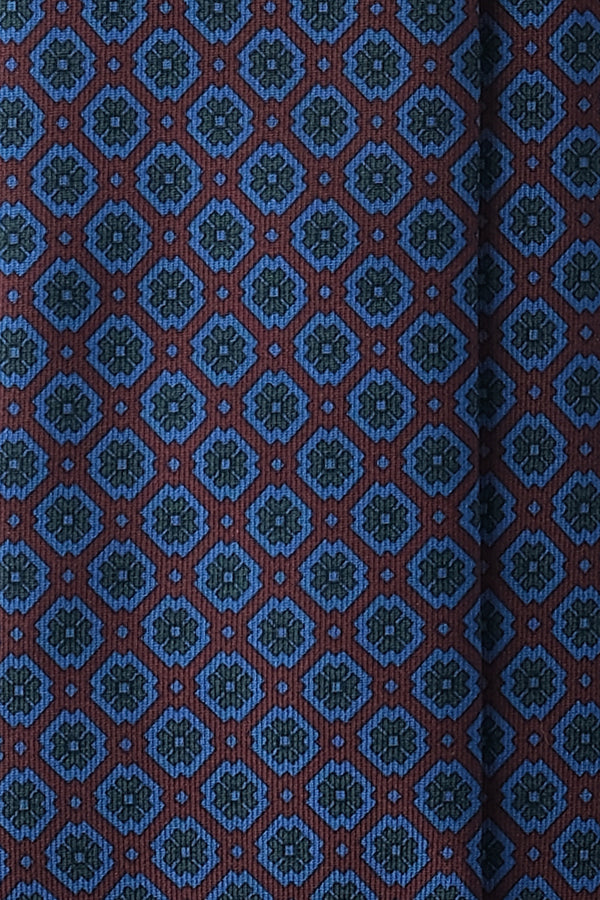
Shantung silk is a textured silk fabric woven from less refined yarns, which naturally create subtle irregularities in the weave. These small variations — known as slubs — are a defining feature of shantung and give the fabric its unique, slightly dry surface and crisp structure.
Origin & Heritage
The name “Shantung” originates from the Chinese province of Shandong, historically spelled Shantung, which played an important role in early silk trade. Over time, the term became associated with a particular type of textured silk defined by its slubby surface and crisp character.
Today, some of the finest shantung used for luxury neckwear is woven in Italy — particularly in the Como region — where specialised mills preserve traditional weaving know-how and produce exceptional silk fabrics for high-end accessories.
Why does shantung have an irregular texture?
Unlike smoother silk weaves, shantung is made using yarns that retain natural variation in thickness. These subtle irregularities are not flaws — they are part of what makes shantung visually rich, tactile and authentic. The result is a silk with a refined texture and a more understated sheen than classic satin or twill.
Why choose a shantung silk tie?
A shantung tie offers a balance of elegance and relaxed sophistication:
-
Textured character – The slubbed surface adds depth and individuality
-
Crisp structure – Helps the tie hold its shape and form a clean knot
-
Breathable feel – Especially suitable for warm-weather tailoring
-
Versatile styling – Works with both formal and smart-casual wardrobes
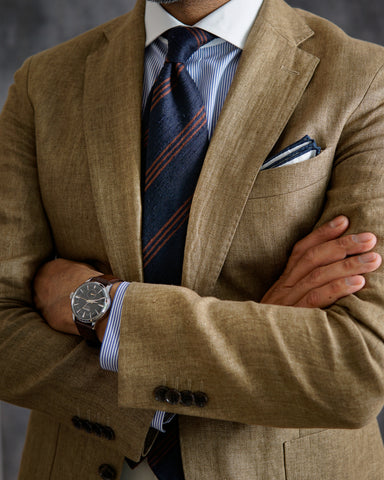
Shantung ties pair beautifully with linen, cotton, hopsack and lightweight wool in spring and summer, while also complementing flannel and textured jackets throughout the year.
Whether paired with a linen blazer in July or a wool suit in December, a Shantung tie adds a touch of sophistication with a contemporary twist.
Brunati Como shantung ties
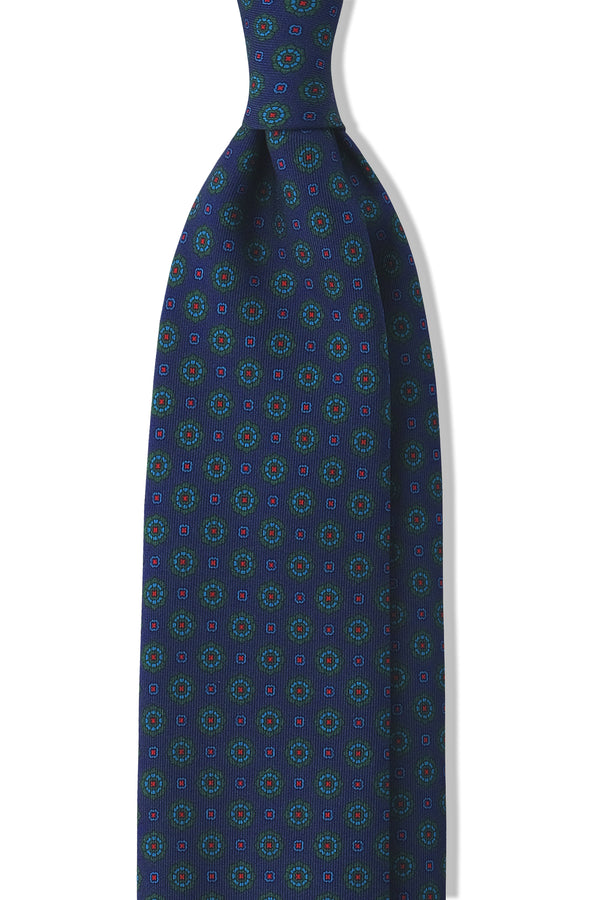
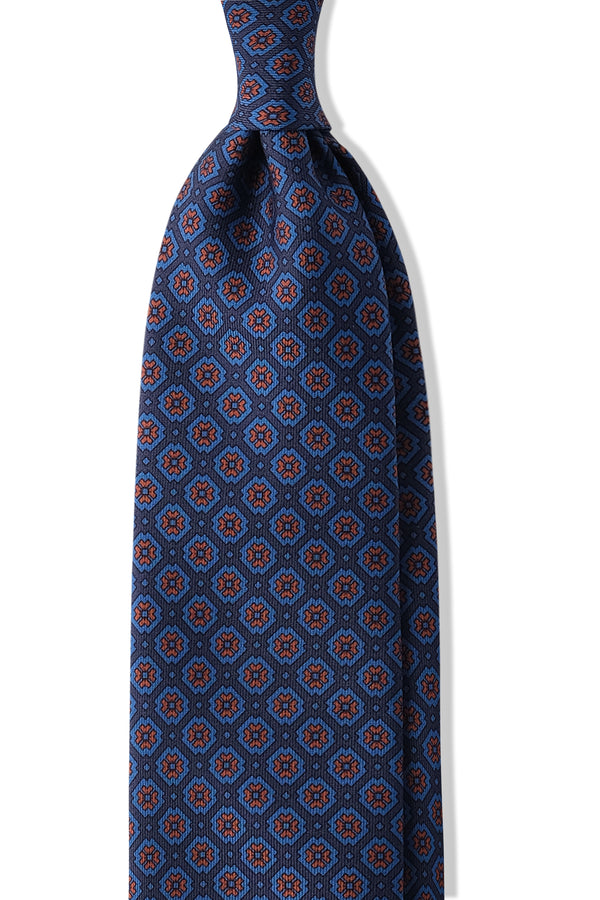
At Brunati Como, our shantung ties are handmade in Italy and finished with traditional details such as handrolled edges. The result is a tie that drapes naturally, ties elegantly and showcases the unmistakable character of textured Como silk.
Explore our collection of handmade Italian shantung ties — crafted with heritage, precision and timeless sartorial elegance.
FAQ
What is silk shantung?
Silk shantung is a textured silk fabric known for its crisp handfeel and natural slubbed surface created by less refined yarns.
Is shantung silk formal?
Shantung can be worn formally, but it is often chosen as a more relaxed and textured alternative to smooth silk twill.
Is shantung only a summer fabric?
Although popular for warm-weather tailoring due to its breathable structure, shantung can be worn year-round as a textured silk option.
How do you wear a shantung tie?
Shantung ties pair especially well with linen, cotton, hopsack and lightweight wool jackets, adding depth without appearing overly shiny.